We make selling your business vehicle simple and stress-free.
Receive a competitive offer within 24 hours based on current market value.
Our experts inspect your car at no cost and provide a transparent quote.
We handle all leasing and registration documents for you.
Get paid on the spot once we take over your vehicle.
From VAT rules to sales agreement: everything you need to know when you want to sell your van or light commercial vehicle privately.
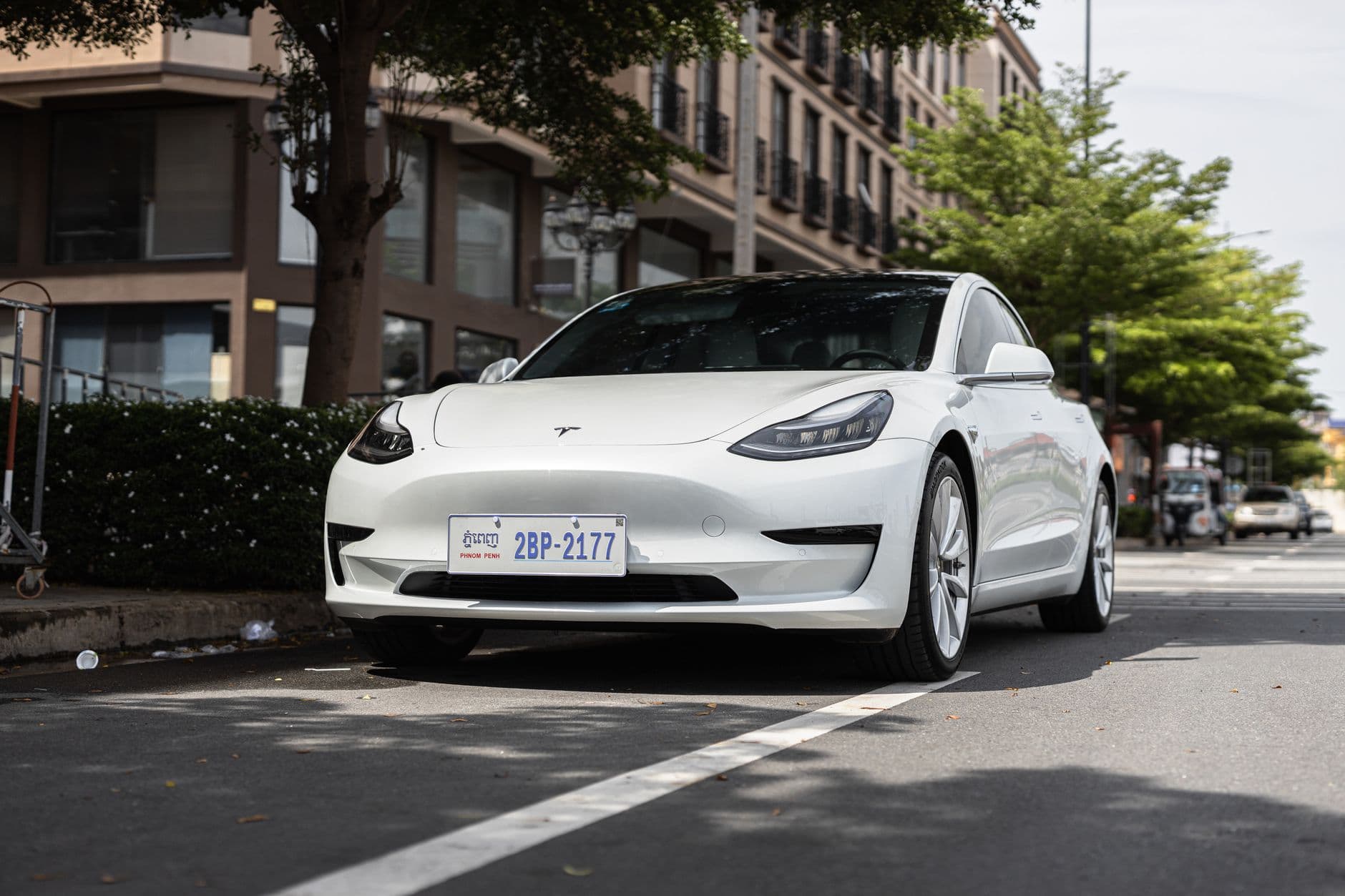
Yes, selling a company car to a private individual is legally permitted, but you must take into account VAT obligations, warranty legislation, and the necessary documents. As a professional seller, you are liable for VAT, unless you make use of the VAT tolerance. The vehicle must also be inspected, and it is best to draw up a sales agreement to avoid disputes.
<p>Selling a company car to a private individual differs fundamentally from a sale between two private individuals. The VAT you reclaimed as a business at purchase affects the price you must now charge. In addition, consumer sales law brings extra obligations. In this guide, we walk through all the steps and pitfalls.</p>
As a self-employed professional or company, you face a choice: trade in your company car at a dealer or sell it privately. A private sale often yields a higher return because you offer the car at a market-based price without intermediaries. You also have more control over the sales process.
If you sell a company car from your sole proprietorship or company, you are generally liable for VAT. This means you must charge 21% VAT on top of the sale price and remit it to the state. However, there is a VAT tolerance: if you owned the car for more than five years, you may treat the sale as exempt, provided you did not deduct VAT at purchase or only partially. Check this carefully with your accountant.
Unlike a sale between two private individuals, you as a self-employed professional are considered a professional seller. This means that under the Consumer Sales Act, you are obliged to provide at least one year of warranty on the car. This warranty covers hidden defects that were already present at the time of sale. To avoid problems, have the car thoroughly inspected beforehand and clearly state the condition of the car in the sales agreement. This protects you against unreasonable claims afterwards.
In Belgium, a car may only be sold privately with a valid inspection certificate. If the current inspection has expired, you must have a new inspection carried out before the sale. You must also hand over the following documents to the buyer:
Although a car sales agreement is not legally required, it is strongly recommended to draw one up. This document protects both parties and states, among other things, the identity of buyer and seller, vehicle details, sale price, VAT treatment, and warranty conditions. Also clearly state that the sale is "as is" with a list of any defects. This eliminates later disputes.
The price of your company car depends on brand, model, year of manufacture, mileage, and condition. Compare similar cars on online platforms such as Autoscout24 or Gocar.be to determine a realistic amount. Take into account any extras such as an open cargo bed, racks, or refrigeration unit that can increase the value. A professional valuation gives you an accurate picture of the market value immediately.
Popular channels are online car sites, social media, and specialist groups for company cars. Because a company car often attracts specific buyers (such as other self-employed professionals or contracting businesses), it is smart to target your advertisement on platforms where that audience is active. Don't forget to take clear photos and honestly mention engine capacity, payload, and any damage. If you are considering a faster sale, selling your company car to a specialized company can also be an option, although this often yields less than a private sale. If you want to sell your company car privately, online advertising is often the best route.
After the sale, as the seller you must have the license plate cancelled at the DIV or apply to reuse it. If you do not, you remain responsible for traffic fines and road tax. Usually the buyer submits the plate when registering in their name. Always ask the buyer for proof of registration so you can have your own plate deregistered.
Are you selling your company car to a private individual abroad? Then a VAT exemption may apply under the intra-community scheme, provided you export the car and have the necessary documents. This situation is more complex and requires extra administration. If you are considering this, seek legal advice.
Want to sell your company car to a private individual quickly and without worries? Request a free valuation now. Our team will assess the value of your car and, if desired, guide you through the entire sales process.
Our service
Request a free, no-obligation valuation today. Find out what your car is worth to private buyers and sell quickly and correctly.
 Selling a company car to a private buyer: everything you need to know
 Selling a company car as an entrepreneur: everything you need to know
 Selling a company car with VAT: how to handle it correctly
 Selling a company van to a private buyer: how to do it smartly and safely
 Selling a fully depreciated company car: a smart move for the self-employed