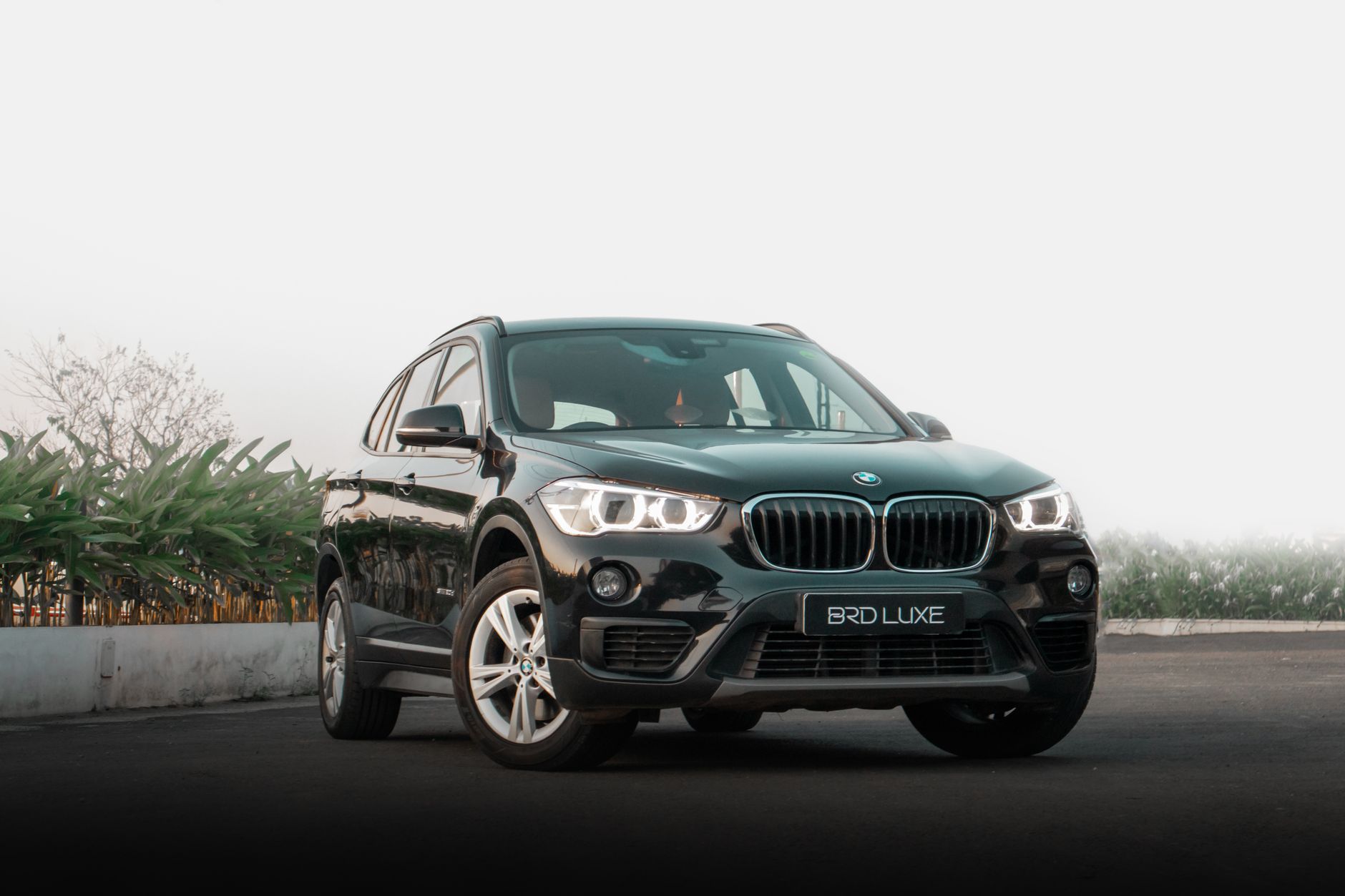
We make selling your business vehicle simple and stress-free.
Receive a competitive offer within 24 hours based on current market value.
Our experts inspect your car at no cost and provide a transparent quote.
We handle all leasing and registration documents for you.
Get paid on the spot once we take over your vehicle.
Avoid tax mistakes and effortlessly get the most out of your company car sale with a free valuation.

When you sell a company car as a self-employed professional or through your company, handling the VAT correctly is a crucial step to avoid overpaying the tax authorities. Mistakes are easily made and can cost you unnecessary money. Whether you sell the car to a colleague, a private individual, or a professional buyer, the rules are different each time. In this article, we explain the VAT rules in simple terms and show how a free valuation immediately tells you where you stand.
In principle, as a VAT-registered entrepreneur, you must charge VAT on the sale of goods that belong to your business assets. This also applies to your company car. But in practice, it is more nuanced. It depends on two factors:
Are you selling a car that you once bought from a private individual and for which you did not deduct VAT? Then you can often benefit from the special scheme, which means you owe less VAT.
As a sole proprietor, the car is usually a mixed-use asset: you use it both privately and for business. When you sell this car, VAT is calculated on the business portion. In a company, the car is fully owned by the business. The entire selling price is then subject to VAT, unless you can demonstrate that the car was used exclusively for non-economic activities. In practice, VAT is almost always charged.
If you sell your company car to a private individual, you may not show the VAT separately on the sales document. You charge a total price, including VAT. The tax authorities accept that you calculate VAT on the profit margin if you bought the car without a full right to deduct. This is called the special scheme. In practice, this can mean you only have to remit a limited amount of VAT, while the buyer cannot recover any VAT. That makes the sale more attractive.
If you sell to a VAT-registered dealer or a company car buyer, you always owe VAT on the selling price. The buyer will usually be able to deduct this VAT in full or in part. You must show the VAT correctly on the invoice: the standard rate of 21% or, in some cases, the reduced rate of 12% for vans that meet certain conditions. Note: when selling to a professional buyer, the sale becomes smoother because the buyer handles the formalities and you often get a quick and correct settlement.
The special scheme is a regulation for the resale of second-hand goods, including cars. Instead of charging VAT on the full selling price, you may calculate VAT on your profit margin: the difference between your purchase price and selling price. The condition is that you bought the car without VAT deduction. This scheme is often beneficial for sole proprietors and companies that could not deduct the car. The VAT amount is then calculated as follows: (selling price, purchase price) × 21/121. Note: you must correctly state the application of this scheme on the invoice.
A correct invoice is essential to avoid problems with the VAT administration. When selling a company car, you must include at least:
A professional buyer often prepares this invoice for you, so you avoid administrative errors.
If you sell your company car to a VAT-registered buyer in another EU country, you can apply the intra-community rules. You then do not charge Belgian VAT and state "VAT reverse-charged" on the invoice. You report the supply in your VAT listing. The buyer pays the VAT in their own country. This option can be interesting if your car is popular abroad, but note: you must be able to provide a valid VAT number of the buyer.
Suppose, as a sole proprietor, you sell your van with 35% business use for €15,000 to a private individual. You once bought the car from a garage with VAT, but only deducted 35% of the VAT. Because you have mixed use, VAT on the sale is calculated proportionally. But if you sell the car under the special scheme and your profit margin is, for example, €3,000, you pay 21% VAT on €3,000 × 35% business use = €220.50 VAT. Without this scheme, you would have to remit 21% on the full €15,000 × 35% = €1,102.50 VAT. A significant difference, therefore.
Many entrepreneurs get their accounting in order in the first quarter and review which assets they can replace. In March, demand from professional buyers peaks because buyers want to make an investment before the end of the financial year. If you sell your car in March, you still have control over the VAT return for that quarter and the sale amount can be processed immediately in your next VAT return. That gives you liquidity and prevents you from having to pre-finance the VAT for a long time. So plan your sale strategically.
How we simplify your VAT sale
At Opkoper Bedrijfswagen, we ensure a transparent and VAT-correct sale of your company vehicle. Our process is clear: you request a free valuation, we come by for an inspection and make a market-based offer. We immediately calculate the correct VAT handling for your specific situation. You receive a ready-made sales invoice that meets all legal requirements. Within a few days, the money is in your account.
Frequently asked questions about selling through Opkoper Bedrijfswagen
Request your free and no-obligation valuation today. Our team is ready to guide you personally and get the most out of your sale.