We make selling your business vehicle simple and stress-free.
Receive a competitive offer within 24 hours based on current market value.
Our experts inspect your car at no cost and provide a transparent quote.
We handle all leasing and registration documents for you.
Get paid on the spot once we take over your vehicle.
Whether you're an employee or self-employed, discover what happens to your company car in case of dismissal, end of lease or illness, and how you can get a fair price immediately from Opkoper Bedrijfswagen.
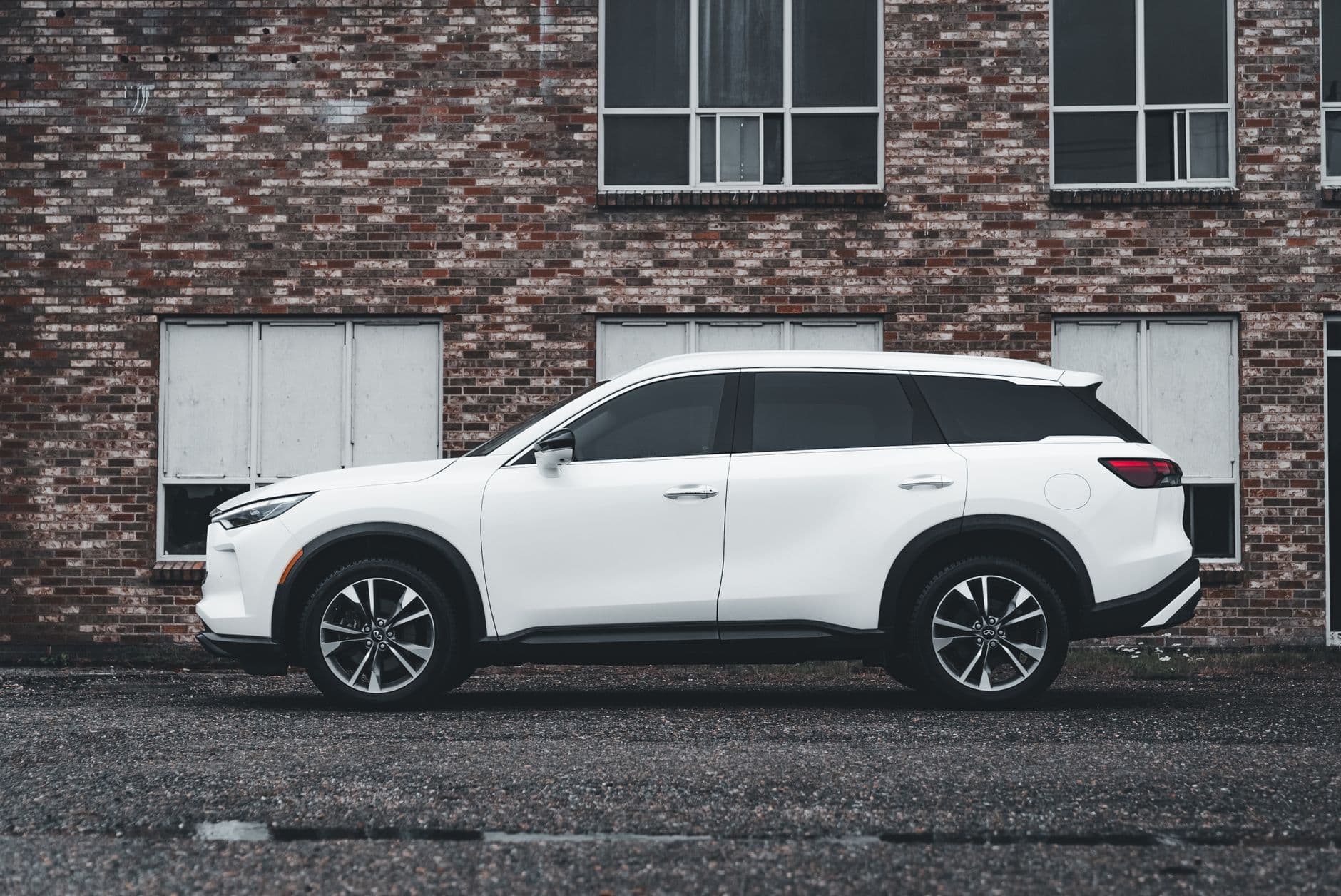
Returning a company car means handing back the vehicle you had at your disposal from your employer or through a lease contract to the owner or leasing company. This can happen at various times: upon dismissal, at the end of the lease contract, or if you as a self-employed person decide to stop using the car. The specific rules depend on your status and what is stated in your agreement.
When you resign or are dismissed as an employee, the question often arises: what about the company car? In principle, you must return the car immediately after the termination of your employment contract. During your notice period, you may usually still use the car, unless otherwise agreed. Some employers demand the car back immediately, for example if you are exempt from work. It is wise to record clear agreements in a sample company car return document.
Upon dismissal, you may receive a severance payment, which also compensates for the loss of the company car. Calculating this is not simple and depends on the value of the vehicle use. A calculation of company car severance pay can help you estimate what you are entitled to.
A company car is not a vested right, unless it is explicitly and consistently part of your remuneration package. If the car is listed as a fixed part of your employment conditions, the employer cannot unilaterally take it away without your consent or an amendment to your contract. In many cases, however, the company car is a unilateral benefit that the employer can withdraw, provided the correct procedures are followed. In case of disputes, it is advisable to seek legal advice.
Some employers offer the option to exchange your company car for extra salary, the so-called cash for car scheme. You then hand in the car and receive a gross amount in return. Financially, this can be interesting, because you save on the taxable benefit in kind (BIK). Read more about returning a company car for salary to find out whether it is more advantageous in your situation.
As a self-employed person, you often have a lease car in the name of your business. Is the contract ending or do you want to stop early? Then the lease conditions are decisive. Early return may involve costs, such as a cancellation fee. An alternative is to buy the car at the residual value and then use it privately or sell it to a buyer. Taking over a lease car can then be a smart move.
In case of long-term illness, you usually keep your company car, unless the employment contract is suspended and the employer needs the car. Returning it is then not automatic, but can be done in consultation. Also in case of a takeover of the company where you work, agreements regarding the company car may change. Always check carefully what your contract states.
Make sure you use a sample company car return document to record the condition of the car and the mileage. Take photos of any damage and have everything signed by both parties. This avoids discussions afterwards. Also keep the fuel card or charging card and all keys.
If you return an electric company car, also think about the charging station. Is it installed on your private property? Then you can often take it over or have it removed. Some charging stations are owned by the leasing company and must be returned. Don't forget to stop the charging data and the activation of the charging card. Read more about this topic in our guide on returning an electric company car.
Are you self-employed and want to turn your company car into cash? Or do you have a lease car that you would rather sell after taking it over? Opkoper Bedrijfswagen buys all makes and models of company cars, regardless of age or mileage. You quickly get a free valuation and we handle the paperwork and collection. This way you convert your company car into cash without the hassle of private buyers.
If you as an employee do not want a company car, you may be able to opt for a mobility budget or a higher gross salary. Some companies offer this choice. Ask your HR department about it. As a self-employed person, you can choose to buy your own car and use it operationally instead of leasing. Or you can buy a former lease car from a buyer, often attractively priced.
Recognize your situation
Every situation calls for a different approach. Discover what applies to your specific case.
Do you have to hand in your company car immediately? What about the notice period? We explain.
Contract ended or too expensive? You can buy the car or sell it to us.
Sometimes extra salary is more interesting than a car. We buy it from you directly.
Immediate insight into value
Our experts base their offer on a combination of current auction data, market information and an inspection on site or based on photos. This way you get a realistic price without surprises.
Whether you are in the centre of Antwerp or in a rural municipality in Limburg, we will collect the car free of charge. No need to travel.
About Company Car Buyer
When your lease contract or employment agreement ends, you often have the option to take over your company car. This can be done through the leasing company or your employer. The takeover price is usually lower than the market value, because the leasing company doesn't have to put the car back on the market.
You can take over the car when your lease contract expires, upon dismissal, or if you close your company as a self-employed professional. Sometimes the employer actively offers this option, but you can also ask about it. The leasing company determines the residual value based on age, mileage, and maintenance history.
If you take over the company car privately, you pay VAT on the takeover price and possibly additional costs such as registration tax (BIV) and annual road tax. For self-employed professionals who continue to use the car for business purposes, different deduction rules apply. So be sure to get advice from an accountant or tax advisor.
If you don't need the car yourself, you can take it over and resell it immediately. That can be lucrative if the takeover price is below market value. We regularly buy company cars that have just been taken over. This way you receive cash quickly without the hassle of private buyers.
Request your free, no-obligation valuation now and find out how much your company car is worth. You'll receive a clear offer within 24 hours.
Is your car registered to your business and do you want to cash it in? Request a free valuation.
Do you still have access to your car in that case? Read what you need to consider.